The Inspection Script Ran Fine for 3 Years, but the Moment Its Author Left, No One Dared Touch It
The Scene: The Day Xiao Zhou Left, the Ops Team Finally Realized How Fragile the Inspection Scripts Were
At 9 AM on Monday, Xiao Zhou submitted the last item in his resignation process.
Scrolling to line 17 of the handover checklist, it reads "owner of the routine inspection scripts." He had six scripts in his hands, spanning three business lines, and the longest-running one had been stable for three years. Every week, the on-duty teammate would say in the group "the scripts ran fine tonight," and nothing had ever gone wrong.
In the handover meeting, Xiao Li, who was taking over, asked one question: "Can I modify this script in the production environment?"
Xiao Zhou thought for a moment and said, "You can, but you have to follow the process I sent out before."
"Where is the process?"
"It's in my head."
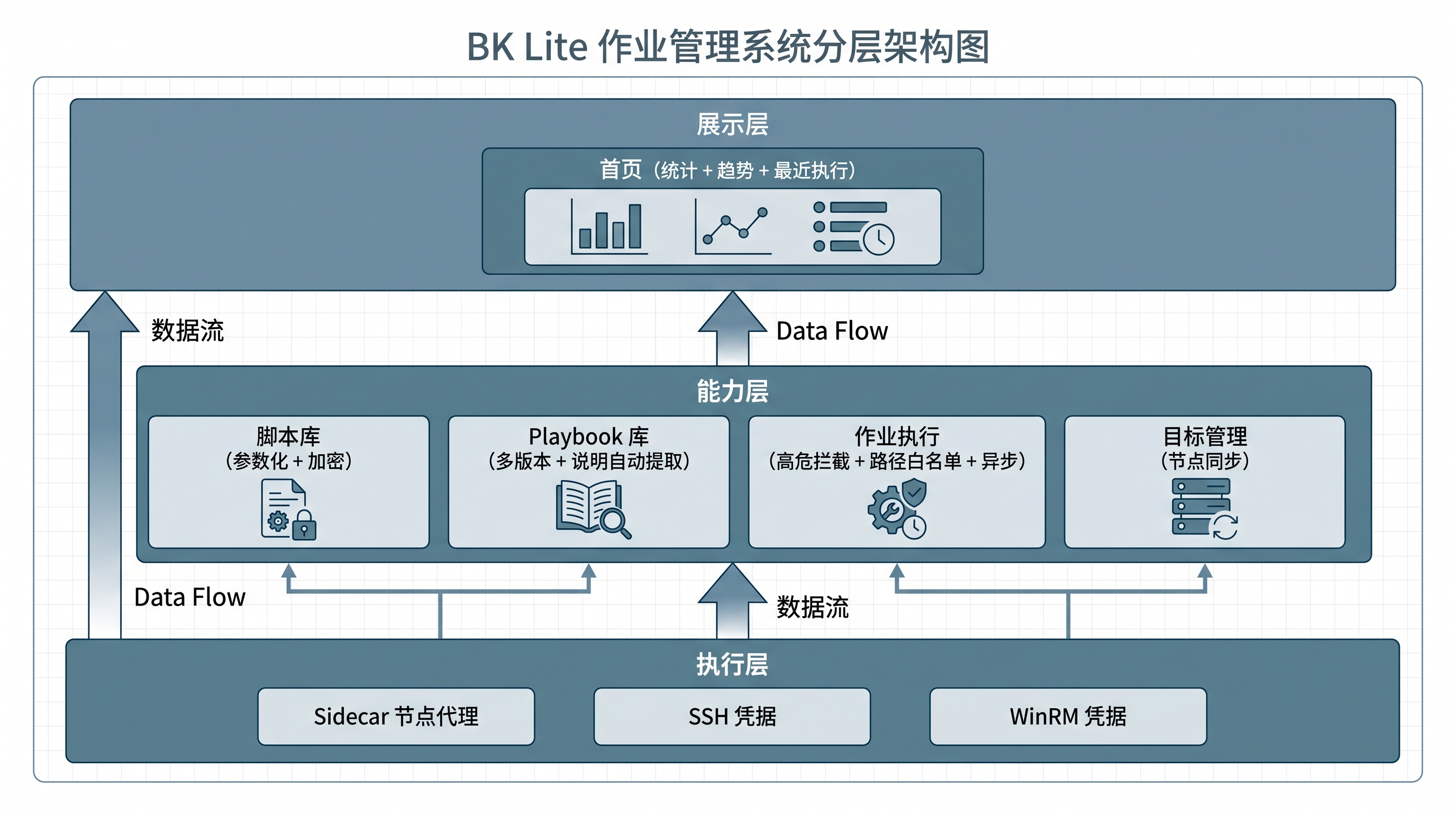
This is not an isolated case. For many teams, the "3-year steady state" of inspection scripts is really just five kinds of information all loaded into the author's head. The script itself is only the tip of the iceberg above the water. Below the water — "the author's experience, run history, version evolution, parameter-naming habits, and dependency relationships" — is what is actually doing the work of keeping things stable.
The moment the author leaves, the whole block below the water leaves with them. The script itself has not moved, but in practice it has already lost the most critical layer of support.